




This sleeve and seal set is one of the crane spare parts we hold for the SANY 55-ton rough-terrain crane, supplied under three matched references that between them cover the sealing points in the set. The sleeve centres and protects the joint while the seal holds hydraulic pressure against a moving surface, and the two are normally renewed together — a fresh seal running on a worn sleeve will weep again within a few shifts.
Buyers come to this set in one of three situations: a scheduled seal change inside a service window, a leak that has to be stopped before the crane goes back on hire, or a set kept on the shelf so the next leak does not cost a day of downtime. All three references can be supplied together, so a workshop can cover what it needs in a single order instead of two shipments and two strip-downs.
Each reference is marked on the outer face, so your fitter can read it against the parts list before anything is opened. In our work with construction machinery spare parts, it is the number on the old component that settles the match — not the size of the box it arrives in.
Fleet workshops plan these changes into a service interval; field crews fit them at the machine when a leak will not wait; parts desks keep a set for the rough-terrain crane in the fleet that works hardest. If you run several SANY models, check each machine's own parts list — these references belong to the 55-ton class.
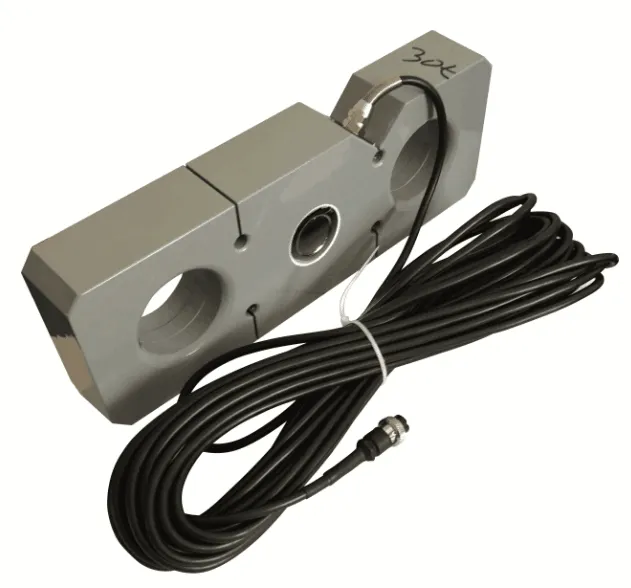
| Brand | SANY |
| Machine type | Rough-terrain crane |
| Capacity class | 55 t |
| Model reference | SRC550A2 |
| Component type | Sleeve and seal |
| Part numbers | 10910589, 11263146, 11262952 |
| Sealing application | Hydraulic |
| Condition | New, unused |
| Outer face | Machined metal, reference marked |
| Running face | Smooth finish, fitted lip |
| Supply basis | Each reference supplied as a separate item |
| Packing | Crated for export shipment |
| Fitment check | Reference read from the old component, or machine model and serial number taken from the parts list |


A rough-terrain crane is a stack of hydraulic circuits that all have to hold pressure while the machine lifts, telescopes and steers. Sealing is what makes that possible, and it is the first thing to suffer when oil is dirty, a rod is scored or the machine spends its days in grit. That is why crane spare parts such as sleeves and seals are treated as service items rather than fit-and-forget components.
The hardest sealing duty sits where pressure is highest and strokes are longest — boom telescope sections, outrigger legs and the main hoist circuit. Those are the places where a weeping seal becomes a pressure loss the operator compensates for without noticing, and where crane boom parts and hydraulic seals are usually inspected in the same service.
Two failure modes look different in the field. An external weep shows as oil on the rod or on the belly plates and is easy to catch on a walk-round; internal bypass shows as drift, slow response or heat and is often blamed on the valve until the seal is pulled. Both end with the joint on the bench and a decision about how much of it to renew.
Grit is the quiet killer. Once dust gets past a worn lip it laps between the seal and the running face and polishes a groove that no new seal can follow, which is why breathers, filter changes and a wiped rod matter more than any single upgrade. Cold starts do their own damage: a stiff lip dragged across a dry bore scores before the oil has warmed.


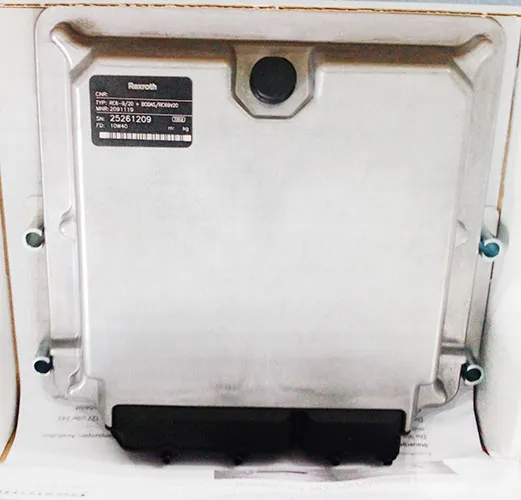
Not sure which part fits your machine? Send the part number, the machine model, and a photo of the nameplate or the worn item, and our engineers — each with more than ten years in the construction machinery business — will confirm the correct reference and quote it. We advise on installation, help trace faults, and answer technical questions before and after dispatch. Since 2017 we have built this support on a supplier network covering FUWA, SANY, XCMG and ZOOMLION, so older and hard-to-find references can usually still be sourced.
Start from the number on the part you are taking off. The three references here are supplied as separate items, and in most workshops only one or two of them are worn at a time, so there is no need to buy all three unless the whole joint is being rebuilt. If the old piece still carries its marking, quote it and that is the item we send. Sleeve and seal are easy to tell apart on the bench: the sleeve is a metal ring with a machined running face, the seal is the lip that bears on it.
Send the machine model, the serial number and the reference from the old component, plus a photo of the nameplate if you have one. That is usually enough for us to check a set of SANY crane parts against your machine. We never ask you to match by picture alone — if the numbers disagree with your parts book, the parts book wins, and we will tell you which reference is current. The same rule applies to drilling rigs and to any other machine in the fleet: model, serial and number first.
New. Sleeves and seals are not re-lined, re-polished or pulled from a donor machine — the running face arrives as finished and the lip untouched. That is the standard across the heavy equipment spare parts we supply, and it is why we would rather confirm a reference before shipping than swap a part afterwards.
Do not assume it will. These references are listed for the 55-ton class, and seals from a neighbouring model can share a bore size while differing in lip profile, sleeve length or compound. Give us the model and serial of the second machine and we will check whether the same reference applies or whether a different one is needed — that check takes a few minutes and saves a strip-down.
Yes — crawler crane parts make up a large share of what we ship, from undercarriage and boom structures to hydraulic and electrical components for SCC and QUY machines. Crawler and rough-terrain fleets are often maintained by the same crew, so both can go on one order. Send the machine details with the numbers and the two lines will travel together.
Yes. SANY filters — oil, fuel, water separator and air — are among the items we hold most regularly, along with seal kits, repair kits and hoses. Give us the machine model and the number from the old filter and they can be added to the same order as these seals.
If the sleeve shows a wear step or the lip has gone hard and flat, replace both while the access is there — pulling the same joint apart a second time costs far more than the parts. If the running face is clean and the lip is still supple, leave it and put the budget into the crane boom parts that are actually worn, such as pins and bushings. Send a photo of the running face and the lip and we will give you a straight answer.
Yes, and it comes up more often than you might expect on older cranes. Controllers, load moment indicators, sensors, displays and camera systems can be supplied in revised or modernised form to suit a legacy machine, and our engineers work from the existing wiring and the fault history to propose a route. Sleeves and seals follow the same principle: where an original reference is obsolete we check for the current one before you order. Tell us what the old system is doing and what the machine is, and we will say what is realistic.
There is no honest fixed answer — it depends on how clean the oil stays, how hard the circuit is worked, how often the machine runs from cold and whether the rod is wiped down between shifts. What you can do is watch for the early signs at every service: a film of oil on the rod, a joint that leaves a mark on the belly plates, or a circuit that needs more throttle to hold the same load. Catching it at that stage keeps the repair to a sleeve and seal instead of a cylinder.


