





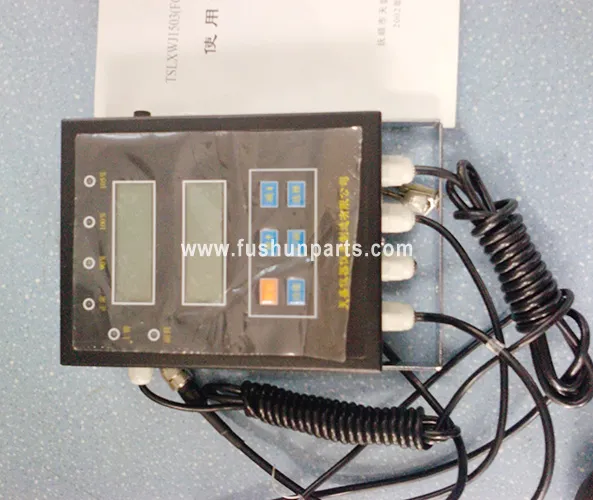
The FGG series safe load indicator is the overload limiter set we supply for FUWA (Fushun) crawler cranes. It is not one box: a load cell measures the pull in the hoist line, an angle sensor reads the boom angle, and a display unit in the cab combines the two so the operator sees the live crane load indicator reading against the crane's rated capacity at that radius.
Fleets buy it in two situations. The first is a failure — the display goes blank, the reading drifts, or the system starts alarming on a load the crane has lifted a hundred times. The second is age, where a crane still earning its keep runs on a limiter that no longer has spares support. Either way it is one of the crawler crane parts where the fit matters far more than the price of the box.
Because the load cell, the angle sensor and the display are separate items, a single failed component can be replaced without disturbing the rest of the installation, and the set is wired and calibrated the way the crane expects. Photographs of your existing units are usually enough for our engineers to confirm what carries over and what changes.
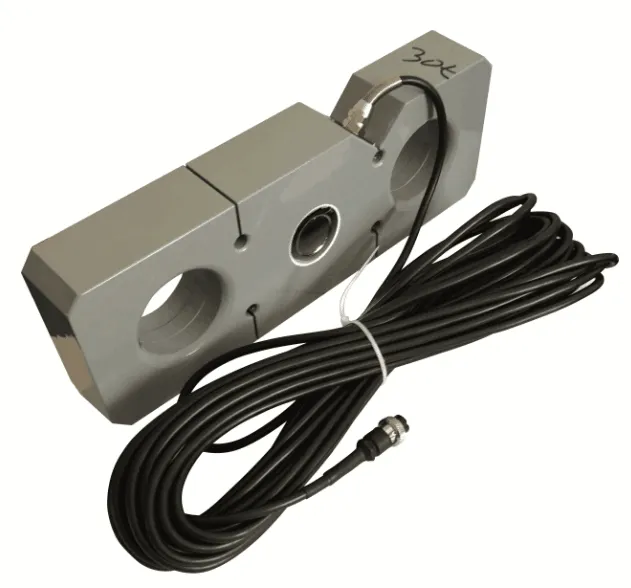

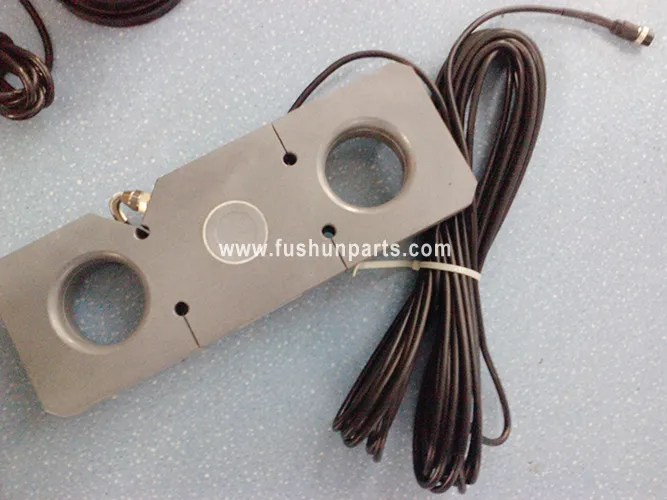
A load indicator is only worth having if the number on the screen can be trusted, and on a crane that comes down to sensing and sealing.
The load cell and angle sensor use MEMS and Hall sensing elements, a combination that holds output accuracy steady across the working range instead of drifting as the machine warms through a shift. The load cell carries its amplifier inside the housing, so the signal reaches the cab clean over the cable runs a crawler crane demands.
Sealing is rated IP67. Dust, rain, wash-down water and the mud that finds its way into every undercarriage stay outside the housings — the difference between a sensor that survives a wet season and one that fails in its first month.
The indicator and limiter are built to safety level PLd, the performance level applied to safety-related control functions on mobile machinery. That is the figure an inspector or insurer will ask about when they look at how the crane protects itself against overload, and the reason not to treat this as a generic electrical purchase.
Faults in construction machinery spare parts like these are rarely dramatic. A drifted zero, a chafed cable or a corroded plug is enough to put the display into alarm, which is why the wiring and the calibration record matter as much as the sensor itself.

Installation is where most limiter projects either go smoothly or stall, so the engineers behind this set do more than take an order.
On-site service covers installation, commissioning, troubleshooting and system upgrades. Where travel is not practical, the same engineers work remotely, reading the error codes and system behaviour your technician sends through and talking the next step through with them. Faulty parts can come back for repair with a turnaround of around 5-10 business days, and the choice between repair and replacement is made on what the part is actually doing.
Retrofit is the other half of the work. Older machines can be brought up to a current safety system with an upgraded display carrying a real-time data interface, revised wind speed sensors for harsh environments, and camera monitoring kits where the site needs better visibility. Alongside this set we supply the rest of the electrical chain — master controllers such as the RC6-9 series, load moment indicators, wind speed sensors, displays and cables.
Retrofit work rarely stays electrical. A machine that comes in for a limiter upgrade usually leaves with filters, seals and other construction machinery spare parts on the same order. And because an overload symptom sometimes starts in the hydraulic system rather than the electronics, our engineers check the hydraulic crane parts that affect the load path before anyone spends money on a new set. As crane parts suppliers we would rather find the real cause once.
| System type | Crane load indicator with overload limiting |
| Application | FUWA (Fushun) crawler cranes |
| Load cell | Pull-type tension cell for hoist load measurement |
| Angle sensor | Boom angle sensing with a markable calibration reference |
| Operator display | Cab-mounted unit with function keypad |
| Sensing technology | MEMS and Hall |
| Protection level | IP67 |
| Safety level | Up to PLd |
| Operating environment | Dust, rain, wash-down and muddy site conditions |
| Condition | 100% new, factory tested |
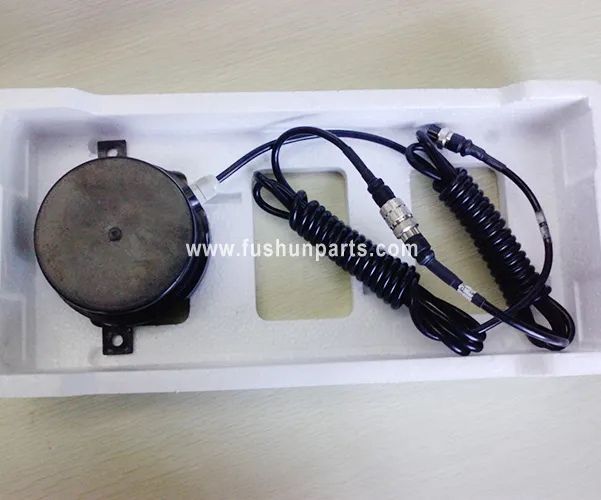
Which parts to hold depends on how hard the fleet works, but two earn their place in almost every yard: a load cell and an angle sensor. They are the crane spare parts that sit in the weather and take the vibration, and they are the two that stop a crane lifting when they fail. A spare display is worth keeping if you run several machines of the same build.
The arithmetic is simple — a load cell on the shelf costs less than a blocked lift, and it removes the wait for a shipment altogether. It also means the failed unit can go back for repair while the machine stays at work.
Between jobs, run a zero check with the hook empty and a check against a known load. It takes minutes and catches drift before an alarm does. Look at the plugs while you are there: the connector that lives under the boom is the one that corrodes, and a half-seated plug behaves exactly like a failed sensor.
Keep spare electronics dry and in their foam when they are off the machine, and keep the calibration record with the crane rather than in a toolbox. Where a yard stocks electrical and hydraulic crane parts on the same shelf, label the boxes by machine rather than by part type — the technician at night wants the box for the crane that is down.
Not sure which part matches your machine? Send us the model, serial number and the original part number — or a photo and key dimensions — and our engineers will confirm the correct item and check availability before you commit. They have spent more than ten years in construction machinery and can talk you through fault-finding, installation and commissioning by phone, email or video. We also trace parts for discontinued and legacy models. Support runs 24/7 from Shenyang, China, where we have been supplying buyers since 2017.
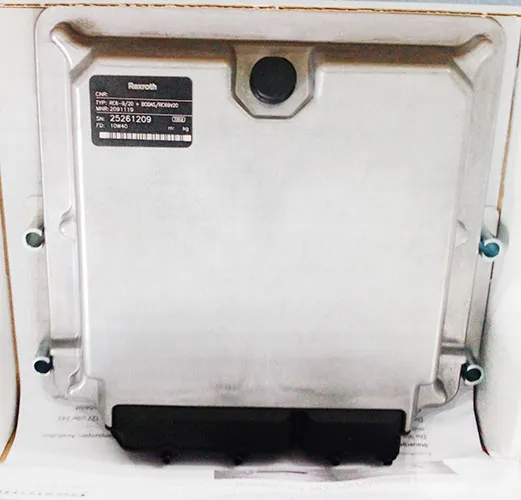
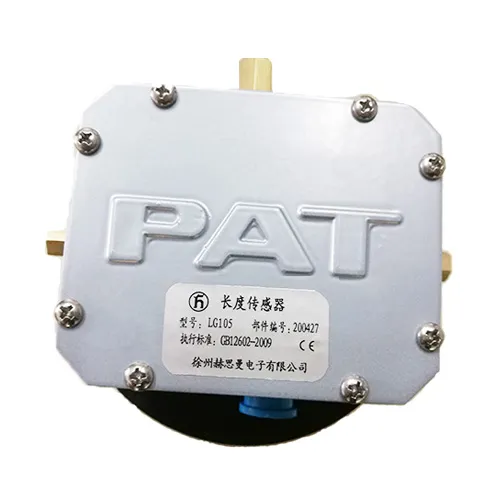
A working set is four things: a pull-type load cell in the hoist line, a boom angle sensor, the cab display unit, and the cable assembly with its connectors. The mounting plate and a printed manual covering wiring and calibration come with it. Because each item is separate, a failed load cell or display can be replaced on its own — you do not have to buy a whole crane load indicator set to fix one fault. Tell us which part has failed and we will confirm the individual item against your machine.
It is specified for FUWA (Fushun) crawler cranes, but the model name alone is not enough to confirm a fit. Send the model and serial number, plus a photograph of the existing display and of the load cell mounting, and our engineers will check the build against the set. Crawler crane parts change between production batches, so the machine's own labels are the reference, not the brochure.
Yes — retrofit is routine work for us. Older machines can take an upgraded display with a real-time data interface, revised wind speed sensors for harsh environments, and camera monitoring kits where visibility is the issue. The limit is fitment, not age: what we need is the machine's details and photographs of what is on it now. The same approach works whether you are dealing with mobile crane parts or a crawler installation, because the wiring and calibration logic does not change with the undercarriage.
Compatibility only tells you it bolts on. The indicator and limiter here are built to safety level PLd, the load cell and angle sensor use MEMS and Hall sensing, and the housings are rated IP67, so the set holds its accuracy and survives the site. Every unit is new and factory tested before packing. When you compare offers, ask for the performance level and the protection rating in writing — those two figures are what an inspection turns on, and they are what separate crane electrical components worth fitting from a part that merely fits.
Usually, yes. Faulty parts can come back to us for repair with a turnaround of around 5-10 business days, and remote diagnosis comes first — send the error codes or describe what the display is doing and an engineer will tell you whether it is a connector, a calibration issue or a failed component. Repair is the cheaper route for a unit that failed in service; replacement makes more sense when the housing or the cable has taken physical damage. Holding a load cell and an angle sensor as crane spare parts means the machine can go back to work while the failed unit travels.
It does, indirectly. The limiter reads load and boom angle and signals the control system to warn the operator and stop the motion before the crane goes past its rated capacity, so the hoist and travel functions it acts on are hydraulic. That is also why a load symptom is not always electronic: a slipping brake or a pressure problem can look like a sensor fault from the cab. Our engineers check the hydraulic crane parts that affect the load path before a set is condemned, and if the fault sits there we will say so.
Open the case and match every item against the old parts before anything is unbolted. Check the load cell's mounting pattern and pull direction, the angle sensor's reference mark, the display model and the connector shapes, and confirm the printed manual is inside. Inspect the cable and plugs for transit damage. If something does not match the machine, raise it before installation rather than after — it is much easier to sort out on the bench than on a boom.


