



This joystick is the cab control lever used on ZOOMLION QY series mobile cranes — the handle an operator holds for most of a shift while the boom and the load are on the move. It is a lever-style unit: a moulded black grip shaped around the thumb, a black rubber bellows boot shielding the pivot, and a flanged metal base that bolts flat to the cab console. The base carries its own label, which is the first thing worth reading when you are matching a replacement.
Worn levers give warning before they fail. The handle starts to feel notchy at the edges of its travel, it stops returning cleanly to centre, or the boot splits and grit works its way into the pivot. At that point most fleets replace the unit rather than live with it, because a lever that will not centre makes every lift harder to control than it needs to be. This one is supplied new and factory tested, and it mounts on the same points as the unit that came off.
As crane parts suppliers working out of Shenyang, we hold this lever alongside the rest of our ZOOMLION cab hardware, so a replacement can leave with the same order as a pedal or a set of switches. If you cannot pin down the exact variant, send a photo of the old unit and we will match it before you commit.
| Part type | Cab control joystick, lever style |
| Machine reference | ZOOMLION QY70V mobile crane, QY series cab |
| Condition | 100% new, factory tested |
| Grip | Moulded black handle with thumb indentation |
| Boot | Black rubber bellows over the pivot |
| Base | Flanged metal base with mounting label |
| Fastening | Hex-head screws into the console face |
| Control function | Proportional cab control lever |
| Category | construction machinery spare parts |
Fitment on these levers is decided by the cab, not by the badge on the boom. QY series cranes were built over a long production run and consoles changed between batches, so the dependable reference is the unit you are taking off: the label on its base, the shape of the flange, the boot collar and the plug on the end of its lead. Two cranes with the same model plate can carry different levers.
Most enquiries we get for this lever start the same way — the operator knows the crane model but not the part number. That is fine. A clear photograph of the old unit, with the base label legible if it still exists, is usually enough to name the variant and offer it with confidence. Where the label has gone, the flange profile and the plug settle it.
Parts for older machines are a routine request here. Where the original number has been discontinued we cross-reference to what is still in production, and where nothing matches we say so rather than send a part that will not fit. The old unit stays with you until the replacement is confirmed, because even a worn crane spare parts item still tells you the mounting pattern, the lead length and the plug type.
Not every bad lever needs a new one, and not every bad lever is the lever. Work through it in order before you spend money. Does the handle move freely and return to centre on its own? Does the plug sit tight with clean pins? Does the cab monitor show a fault when the function is demanded? If the answer to the first is no, the unit is worn and replacement is the honest fix. If the lever feels right but the function is slow, weak or drifts under load, the lever is probably innocent and the fault sits further back — pilot pressure, a spool in the valve block, or the hydraulic crane parts carrying oil to the function you are demanding.
That distinction matters, because a lever swapped for a hydraulic fault changes nothing except the invoice. Our team will talk a fitter through the checks by phone, email or video, and if you can send the fault code or a short clip of the function behaving badly, diagnosis is usually quick. If a unit we supplied does fail, we look at repair or replacement with you rather than leaving you to work it out alone — the same after-sales route we use for the rest of our cab control parts.


| Component group | What it covers |
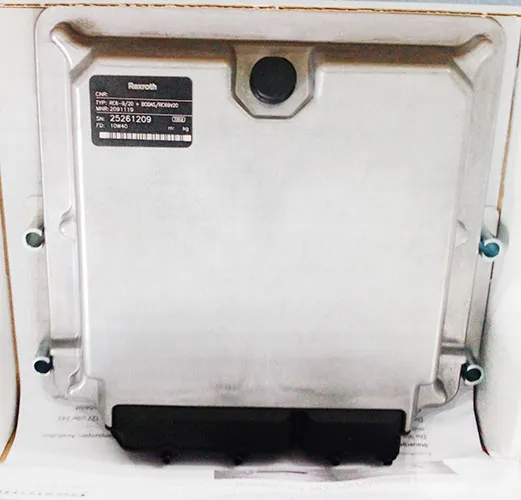
| Master controllers | RC6-9 series cab control units for precise operation |
| Monitors and displays | Cab displays carrying real-time machine data |
| Cables and harnesses | Console and boom harnesses with matching plugs |
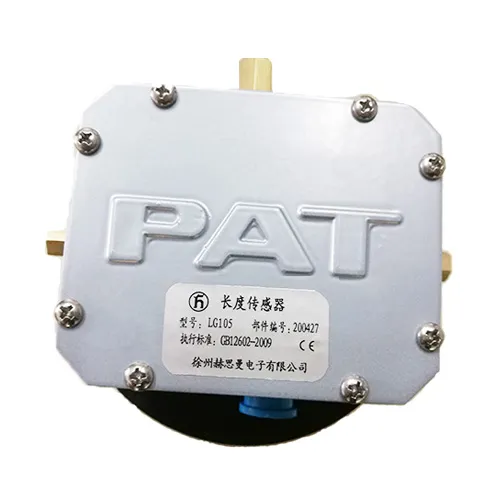
| Switches and sensors | Cab switches, angle sensors and wind speed sensors |
| Limiter components | Load moment limiter parts and load cells |
| Pedals and handles | Throttle pedal assemblies and matching levers |
| Tracked machines | crawler crane parts — undercarriage, hydraulic and control items |
| Other brands | construction machinery spare parts for SANY, XCMG and FUWA machines |
Not sure which part matches your machine? Send us the model, serial number and the original part number — or a photo and key dimensions — and our engineers will confirm the correct item and check availability before you commit. They have spent more than ten years in construction machinery and can talk you through fault-finding, installation and commissioning by phone, email or video. We also trace parts for discontinued and legacy models. Support runs 24/7 from Shenyang, China, where we have been supplying buyers since 2017.
It is the cab lever for the QY series, and consoles changed across the production run, so the model plate alone is not enough. The reliable check is the old unit: flange shape, boot collar and the plug on its lead. Send photographs of those three and we will confirm the variant. Fleets running several QY machines usually order against the number on the old lever — that is how most mobile crane parts are matched in practice.
It arrives as a complete lever: grip, bellows boot and flanged base with its label, assembled and ready to mount on the console. The gasket and the wiring stay with the machine unless they are damaged, in which case tell us and we will add them. Matching the plug on your old lead before dispatch is part of how we handle every crane spare parts order.
Start at the plug: pull it, look for pushed-back pins, corrosion or a split sheath where the lead passes the panel. Then see whether the cab monitor shows a fault when the function is demanded, and whether any other input from the master controller still works. A lever that is dead on every function is more often a wiring or controller problem than a lever problem — those crane electrical components sit in the same chain.
No. The lever is an operator control; the limiter and the crane load indicator run on their own sensors, load cells and display, and swapping the lever does not change their calibration. After fitting, power up and confirm the display still reads normally with no new fault code. If a limiter fault appears at that point, it is a wiring or sensor issue rather than anything the new lever caused.
Usually not. If the handle travels smoothly and returns to centre but the function is weak, slow or drifts, the fault is behind the lever: pilot pressure, a spool in the valve block, or the hydraulic crane parts feeding that function. Check the lever's mechanical feel first, then have a fitter look at pressures. Replacing a healthy lever for a hydraulic fault changes nothing.
Yes — tracing parts for older machines is a routine request. Send photos of the old unit and its label together with the machine model and serial number, and we will cross-reference to what is still in production or propose the closest workable alternative. Where nothing matches we say so. The same approach covers construction machinery spare parts for SANY, XCMG and FUWA machines as well as ZOOMLION.
Yes. Alongside this cab lever we supply the wider crawler crane parts range — undercarriage items, hydraulic components and cab electrics for FUWA and other tracked machines. The matching process is identical: model, serial number and photographs of the old part. If you run both wheeled and tracked cranes, both can go on one order.
Send the machine model and serial number, a photograph of the label on the base of the old lever, and a photograph of the plug and the console opening. Our crane parts suppliers team compares those against the stock we hold and replies in writing before you pay. If the label has gone, the flange and plug photographs are usually enough to settle it.


