





A load moment indicator is only as good as the sensors feeding it. On SANY lifting equipment running the TECSIS Safe System, that means one angle sensor at the boom and two load cells in the load-measuring path — the three parts covered here. Together they supply the two values the crane load indicator works from: how steep the boom is, and how much is hanging from it. The system turns those into a load moment, compares it with the rated capacity curve for the current boom configuration, and warns the operator or stops the motion before the machine goes past its limit. When a sensor drifts, the display can be wrong in the safe direction or the unsafe one, and nobody on site can tell which by looking.
All three are supplied new and factory-tested, either as a single replacement for the item that has failed or as a matched set when a machine is being rebuilt after an electrical fault, a lightning strike or a long-overdue refurbishment. This is one of those crane spare parts where the number on the old unit matters far more than the machine model, and even a full mobile crane parts list will not tell you which variant a given machine left the factory with: two machines of the same year and model can carry different sensing hardware depending on build specification and market, and the label is the only reliable record.
We stock them as SANY crawler crane parts, and the same units serve the SANY rotary drilling rigs built with the TECSIS system. Matching therefore runs on the number rather than the machine class, and a clear photograph of the old label settles most enquiries in a single message.

| Component | Part number |
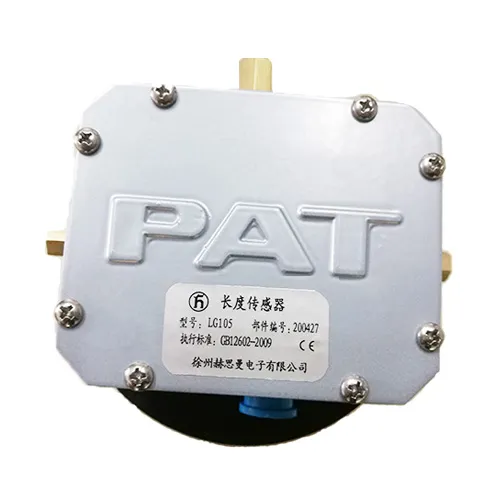
| Boom angle sensor | 530.760-A00AX20-1 |
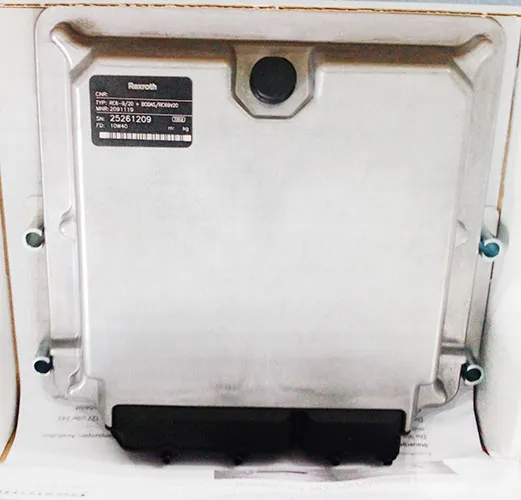
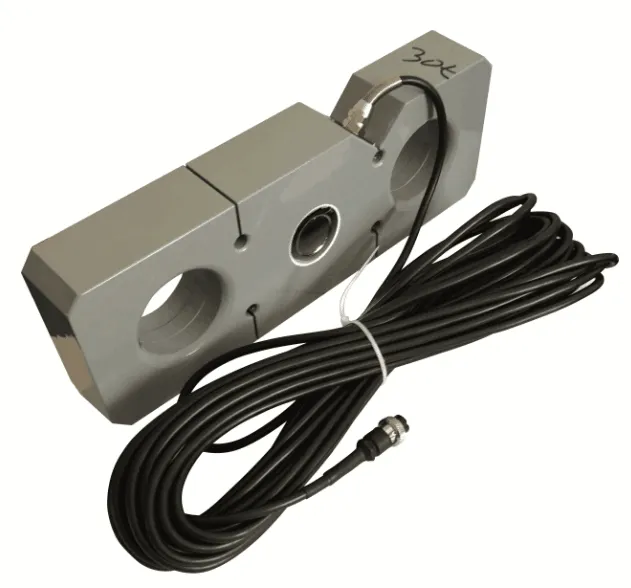
| Load cell | F53014610003 |
| Load cell | F53014570002 |
| Brand | TECSIS (tecsis GmbH) |
| System | Safe System load moment indicator (LMI) |
| Fitted equipment | SANY cranes and SANY rotary drilling rigs |
| Function | Boom angle and load inputs to the LMI |
| Condition | 100% new, factory-tested |
| Part group | Crane electrical components |
| Supplied as | Individual unit or matched set |
| Supplied to | End users, repair workshops and crane parts suppliers |

| Term | Detail |
| Minimum order | 1 piece |
| Availability | Most parts in stock |
| Lead time | Usually 7-20 days, according to the quantity |
| Payment | T/T; Western Union or as agreed |
| Port of loading | Shanghai, Dalian, etc. |
| Trade terms | EXW, FOB, CFR, CIF |
| Warranty | 2,500 working hours or one year |
| Packing | Secure plywood crates |
| Repair service | Faulty parts can be returned for repair; typical turnaround 5-10 business days |
Not sure which part matches your machine? Send us the model, serial number and the original part number — or a photo and key dimensions — and our engineers will confirm the correct item and check availability before you commit. They have spent more than ten years in construction machinery and can talk you through fault-finding, installation and commissioning by phone, email or video. We also trace parts for discontinued and legacy models. Support runs 24/7 from Shenyang, China, where we have been supplying buyers since 2017.
Start with the angle sensor. If the crane load indicator shows an angle that is frozen, stepping or sitting a few degrees off while the boom moves normally, the sensor or its cable is the usual cause — check the plug and the cable run first, because a chafed conductor imitates a failing sensor very well. If the angle tracks correctly and the load reading is the one that drifts or jumps, the fault is in the load cells instead. Send us the symptom and a photo of the old unit's label and we will confirm which of the three parts your machine needs.
Send the machine brand, model and serial number together with a photo of the number on the part you are replacing. If the old unit is already off the machine, a photo of its label, the connector and the mounting face is enough for our engineers to check the fitment. We confirm before the order is prepared, so a mismatch is caught on our side rather than at your workshop. If the machine has been rebuilt before with non-original parts, say so — it changes what we look for.
Fitment follows the number, not the machine class. Where a SANY mobile crane was built with the same TECSIS Safe System hardware, the angle sensor and load cells carry the same numbers and interchange directly. Send the model and serial and we will confirm against your mobile crane parts list before you commit.
Yes, and older machines are usually where it pays. We replace outdated electrical parts with modern equivalents, revise sensors for dusty or high-vibration sites, and add camera kits where the site needs better all-round visibility than the original installation gave.
Much of the crawler crane parts trade we handle involves machines a decade or more past build, where the original electrical components are no longer available off the shelf. Send the machine details and what the system is doing now — symptoms, any fault codes, and what has already been changed — and we will come back with a workable specification rather than a catalogue number. The same conversation can cover the construction machinery spare parts due on the same machine, so nothing has to be sourced twice.
Yes. Our engineers support installation, calibration and fault-finding remotely — send error codes, photographs or a short video of the behaviour and they will work through it with you — and on-site commissioning is available for larger jobs and fleet work. If a part turns out to be faulty, it can be returned for repair; the terms are set out in the ordering section above.
Cover is 2,500 working hours or one year, whichever comes first, on this part of the range as on our other crane spare parts. It covers manufacturing defects — a sensor that fails to read, a cell that drifts outside its specification, a connector that breaks in normal service. It does not cover damage from incorrect wiring, unauthorised modification, impact during fitting or water ingress after a housing has been opened. Keep the old unit and the label photograph until the new part has run clean; both make a claim or a repeat order much simpler.
Your machine's own procedure governs it: bring the boom to the reference position defined for the model, zero the channel there, then check the reading against a known angle at two or three points through the working range. Do not calibrate against the display alone — verify against an independent angle measurement, because a display re-zeroed to a wrong reference will read plausibly and still be wrong. If the manual is missing, tell us the model and we will talk you through the sequence.
It can, and it is worth ruling out before you buy a sensor. A reading that is steady but wrong is normally a sensing problem. A machine that creeps, loses hoist speed under load or behaves differently as it warms up is usually a hydraulic fault, and the sensor is simply reporting what the machine is doing. We supply the hydraulic crane parts in that circuit too, so if the diagnosis lands there, the same conversation covers it.


