


|
|
||||||
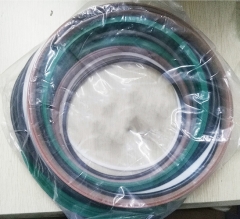
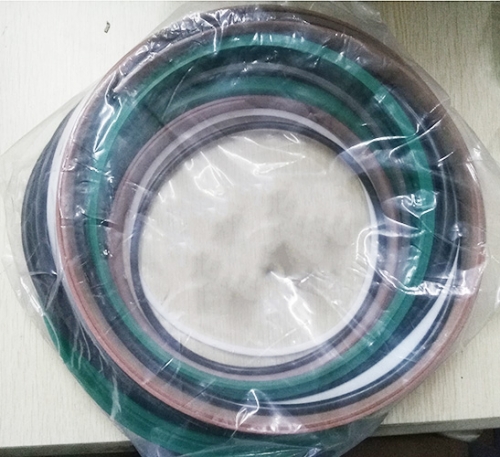
What this kit covers
A hydraulic cylinder on a mobile crane spends its working life under load, and the seals are the parts that hold oil on the pressure side of the piston. This set is the rubber seal kit for one cylinder on the QY50K: rod seal, wiper and piston seal, supplied together so a reseal does not stall halfway through because one ring is missing. Seals are also the smallest item in the repair — the rod, barrel and gland are normally reused when a cylinder is opened up.
Matched to the cylinder you are resealing
Cylinders on the same machine do not all carry the same set. A boom cylinder, an outrigger cylinder and a steering cylinder work at different pressures and take different rod sizes, so the kit is matched to the cylinder you name rather than sent as a generic assortment for the workshop to sort out. The three details we ask for are always the same: the machine, the cylinder, and the numbers from the parts coming off.
Where the seals come from
The kits are held by a crane parts supplier working with XCMG mobile cranes, and each set is checked against the cylinder you name before it goes into the carton. Nothing here is pulled from a mixed bin of loose rings.
| Item | Detail |
|---|---|
| Product type | Hydraulic cylinder seal kit |
| Machine model | XCMG QY50K mobile crane |
| Cylinder coverage | Seal set for one hydraulic cylinder |
| Seal types | Rod seal, wiper (dust) seal, piston seal |
| Material | Rubber |
| Condition | 100% new |
| Application | Mobile crane hydraulic cylinders |
| Brand | XCMG |
| Package | Carton |
| Warranty | 2500 working hours or one year |
| Trade terms | EXW, FOB, CFR, CIF |
| Payment terms | T/T, Western Union or as agreed |
| Port of loading | Shanghai, Dalian, etc. |
| Delivery time | Most parts in stock; usually 7-20 days depending on quantity |
Why the material matters
The seals here are made from rubber — flexible enough to follow the rod through every stroke, firm enough to hold at the lip. That balance is what the compound is chosen for, and it is why a seal that has hardened or taken a set is worth nothing: it passes oil from the first cycle and puts the cylinder back on the bench. Every set supplied is new, never refurbished, and it comes out of the same stock as the rest of our crane spare parts.
What to look for in the parts themselves
Run a finger along the sealing lip. It should be smooth and even, with no mould flash, trimming marks, cuts or nicks, because any break in the lip is exactly where oil will find a way out. The rings should flex without creasing; rubber that has stiffened or gone shiny on the surface has aged and does not belong near a cylinder that has to hold a load. Keep the seals away from sharp edges on the bench and from contact with solvents while you are working, and check the set against the cylinder before it goes on. Every set is gone over before it is packed — that is the least a crane parts supplier can do for a workshop that has already stripped a cylinder.
The failure pattern
Wear parts like these do not fail only on mobile cranes. The same sealing principles apply right across heavy equipment parts wherever a cylinder works under pressure, so the habits that protect a seal here — a clean bench, a blunt tool, no solvents — are worth keeping on every rebuild.
| Item | Detail |
|---|---|
| Trade type | Trading company, established in 2017, with engineers who have more than 10 years in the crane industry |
| Minimum order | 1 piece |
| Payment terms | T/T; Western Union or as agreed |
| Trade terms | EXW, FOB, CFR, CIF |
| Port of loading | Shanghai, Dalian, etc. |
| Packing | Carton |
| Delivery time | Most parts in stock; usually 7-20 days, according to the quantity |
| Dispatch | Goods arranged within 24 hours of confirmed payment when the part is in stock; if it is not in stock we tell you before the order is placed |
| Warranty | 2500 working hours or one year |
| Branding | Your own brand, with your authorization |
| Supply scope | Cylinder seal kits, heavy equipment parts and other construction machinery spare parts |
When a machine is out of production but still working, the part number matters more than ever. If the number you have is discontinued or hard to trace, send us the machine model together with that number: we search our supplier network, confirm what is genuinely available, and give you a straight answer before you commit. Where the original is no longer made, we set out the alternatives we can actually supply, or an upgrade path, and coordinate samples, inspection and made-to-order work with the suppliers we buy from. Sourcing, consolidation and export handling stay with us.
One kit covers the sealing positions on a single cylinder. A mobile crane has several cylinders and they do not all take the same set, so tell us which ones are being rebuilt and how many kits you need. It is worth counting them before you order crane parts for a full rebuild, because finishing a job one seal short is the expensive way to do it.
A failing seal rarely announces itself. The usual first signs are a film of oil around the gland, a cylinder that will not hold its position under load, and oil that keeps needing topping up. Once the gland is actually dripping, the leak only gets faster, so it is worth dealing with at the weep rather than waiting for the drip. Symptoms like these point at the seals far more often than at the cylinder itself.
The kit is supplied for the hydraulic oil used in these cylinders, so nothing needs to change if the machine is running its normal fluid. Tell us before you order if you have switched to a different fluid type, or if the failure looks as though it was caused by contaminated oil. We will confirm what suits the new fluid and what else should go on the same order.
Look for scoring, pitting or lifted chrome on the rod, and for marks or ridges in the bore. A damaged surface will destroy a new seal in a short time, so it is worth dealing with before the cylinder is closed up again. If the rod has to be replaced, tell us what you found and we will look at the other construction machinery spare parts the job needs.
Yes. Alongside seal kits, the crane spare parts we ship include hydraulic pumps, motors and valves, filters, repair kits, undercarriage items and electrical components.
We also handle crawler crane parts for Fuwa, Sany and Zoomlion machines, so a mixed fleet can be covered from one place. Send the part number, or the machine and the position on it, and we will tell you what is available.
It is listed for the XCMG QY50K, and the set is built around that cylinder rather than a range of machines. If you are working on another XCMG model, or on a different cylinder on the same crane, send the machine model and the details from the cylinder and we will check what we can supply. As a crane parts supplier we would rather confirm the fit than guess at it.


